

When Should You Start Using Retinol? Here’s What You Need to Know
Retinol is widely celebrated as the gold standard in topical anti-aging, but it is also the most frequently misused ingredient in home skincare routines.
People often jump into high-potency formulas too early or apply them too aggressively, mistaking persistent redness, flaking, and burning for "purging". In reality, stripping your stratum corneum does not speed up results it breaks down your protective lipid barrier and leaves skin defenseless against environmental damage.
Introducing vitamin A effectively is about timing, formulation, and supporting your skin's underlying hydration. If your skin barrier is sensitive, reactive, or already peeling from active products, our needle-free JetPeel Plus Anti-Aging Facial delivers deep peptide and cellular hydration to smooth fine lines without the redness or flaking of topical retinoid burns.
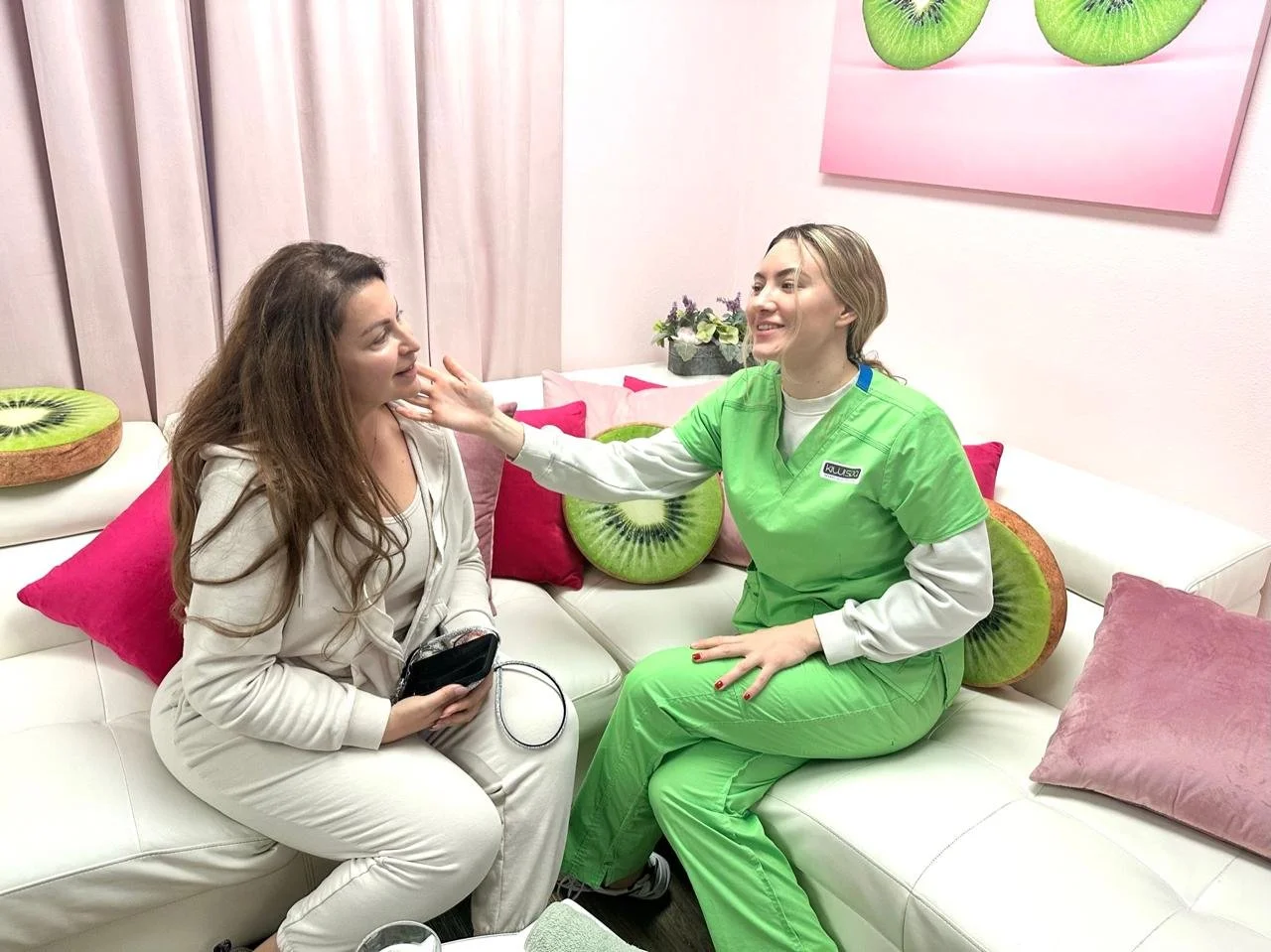
licensed esthetician evaluating skin barrier health and recommending skincare ingredients at Kiwi Spa.
The JetPeel Plus Anti-Aging Facial at Kiwi Spa
The JetPeel Plus Anti-Aging Facial runs 75 minutes: $199 for new clients ($229 regular rate).
If you want the collagen-boosting benefits of cell renewal without compromising your barrier, this non-invasive protocol delivers active rejuvenation deep into the skin:
Botanical Pre-Cleanse: Dissolves makeup, mineral sunscreen, and oxidized oils while protecting your natural acid mantle.
Gentle Fruit Enzyme Resurfacing: Loosens surface dead cells without abrasive friction or the chemical burning of high-percentage retinoids.
Supersonic JetPeel Transdermal Infusion: Pressurized micro-jets travel at supersonic speeds to deliver bio-peptides, plant stem cells, and hyaluronic acid directly to the dermis with zero needles or epidermal tearing.
Barrier-Replenishing Antioxidant Mask: Infuses high-potency vitamins and lipids to lock in moisture, calm surface sensitivity, and restore youthful elasticity.
The Right Age to Start: What Happens to Skin by Decade
There is no universal calendar date for retinol, but skin biology provides clear benchmarks for when it makes physiological sense:
In Your Teens and Early 20s
Unless prescribed by a medical professional for severe acne, you do not need retinol for anti-aging at this stage. Cellular turnover is already rapid (running on an efficient 20-to-28-day cycle), and natural collagen synthesis is at its lifetime peak. At this age, a consistent routine of gentle cleansing, non-comedogenic hydration, and daily broad-spectrum SPF provides all the protection your skin needs.
In Your Mid-to-Late 20s: The Preventative Window
This is the ideal window for most people to begin a low-strength retinoid. Around age 25, natural collagen production drops by roughly 1% each year, and cell turnover begins to slow down. Starting with a gentle, encapsulated retinol or retinyl palmitate 1 to 2 nights a week helps maintain cellular efficiency and prevents early fine expression lines from setting into deep creases.
In Your 30s and Beyond: The Corrective Phase
In your 30s and 40s, cellular renewal slows significantly, often taking 40 to 50 days. Sun damage from earlier years surfaces as dark spots, and structural elastin begins to weaken. Retinoids become an effective tool to stimulate sluggish fibroblasts, fade uneven surface pigmentation, and refine coarser texture.
an esthetician and client after facial at Kiwi Spa San Diego
4 Rules for Starting Retinol Without Ruining Your Skin Barrier
If you are introducing a retinoid into your home routine, follow these strict application rules:
1. The "Low and Slow" Approach
Never start with a 1% formula every night. Begin with a low concentration (0.2% to 0.3%) applied just two nights a week for the first three weeks. Only increase frequency if your skin shows zero signs of peeling, tightness, or stinging when applying basic moisturizer.
2. The Sandwich Method
If you have sensitive or dry skin, apply a layer of light, water-based moisturizer first. Let it absorb completely, apply a pea-sized amount of retinol, and seal it with a nourishing barrier cream on top. This buffers the retinoid’s penetration rate, drastically cutting down on surface irritation while still delivering active benefits to the deeper layers.
3. Keep Other Strong Actives Away on Retinol Nights
Do not pair retinol with AHA/BHA chemical exfoliants, vitamin C, or rough physical face scrubs on the same evening. Compounding active exfoliants strips the intercellular lipid matrix and almost always leads to barrier breakdown.
4. Non-Negotiable Morning Sunscreen
Retinoids thin the outer stratum corneum as dead cells shed, making underlying young skin cells exceptionally vulnerable to UV radiation. Applying broad-spectrum SPF 30+ every morning is required; otherwise, UV damage will undo all the collagen gains you are working to build.
Gentle Alternatives: Bakuchiol and Peptide Infusions
If your skin cannot tolerate traditional retinol—or if you are pregnant or nursing—you do not have to miss out on cellular firming.
Bakuchiol is a plant-derived antioxidant from the Psoralea corylifolia plant. Clinical studies show it stimulates collagen synthesis and targets fine lines through cellular pathways similar to retinol, but without triggering dryness, peeling, or sun sensitivity.
Paired with professional transdermal peptide infusions like JetPeel, you achieve noticeable firmness, refined texture, and deep hydration while keeping your skin barrier completely intact.
Questions People Ask Us
Is the "retinol purge" normal?
Mild breakout activity can occur for 2 to 4 weeks as accelerated cell turnover pushes existing micro-comedones to the surface. However, extensive peeling, burning, stinging, or redness is not a purge—it is an inflammatory reaction indicating barrier damage. If your skin hurts when you apply basic moisturizer, stop retinol immediately and focus on barrier repair.
Can I get a professional facial while using retinol?
Yes, but you should pause your topical retinol for 3 to 5 days prior to any professional facial, microdermabrasion, or enzyme exfoliation. This ensures your skin is stable and prevents accidental over-exfoliation during clinical treatment.
What is the difference between prescription tretinoin and over-the-counter retinol?
Over-the-counter retinol must undergo a two-step conversion process on the skin (first into retinaldehyde, then into retinoic acid) before skin cells can use it. Prescription tretinoin is pure retinoic acid that binds directly to cellular receptors immediately. It is significantly more potent, but also carries a much higher risk of irritation, peeling, and barrier destruction.
Ready to Smooth Fine Lines Without Damaging Your Skin?
The JetPeel Plus Anti-Aging Facial runs 75 minutes: $199 for new clients ($229 regular rate), at 1919 Grand Ave in Pacific Beach. Open 8am to 9pm, seven days a week.