

When cooler weather arrives in San Diego, skin undergoes an immediate shift. The radiant, effortless glow from summer begins to fade, replaced by a tight sensation across the cheekbones, patchy makeup that clings to dry spots, and stubborn flaking around the nose and mouth.
The most common reaction is to pile on the heaviest, greasiest cold cream available.
A week later, the skin is often still tight and parched underneath, but now a cluster of tiny whiteheads and congested pores has appeared across the forehead and jawline. Thick creams cannot hydrate skin when they are sitting on top of a barrier of compacted, dead winter skin cells.
Maintaining a luminous winter complexion requires a two-step approach: gently clearing away the dry, light-blocking surface layer, and driving water-binding hydration deep into the dermis before sealing your moisture barrier. Our Oxygen Silk Peel Facial sweeps away dull seasonal buildup and floods depleted tissue with pressurized oxygen hydration so your skin stays plump and glowing all season long.
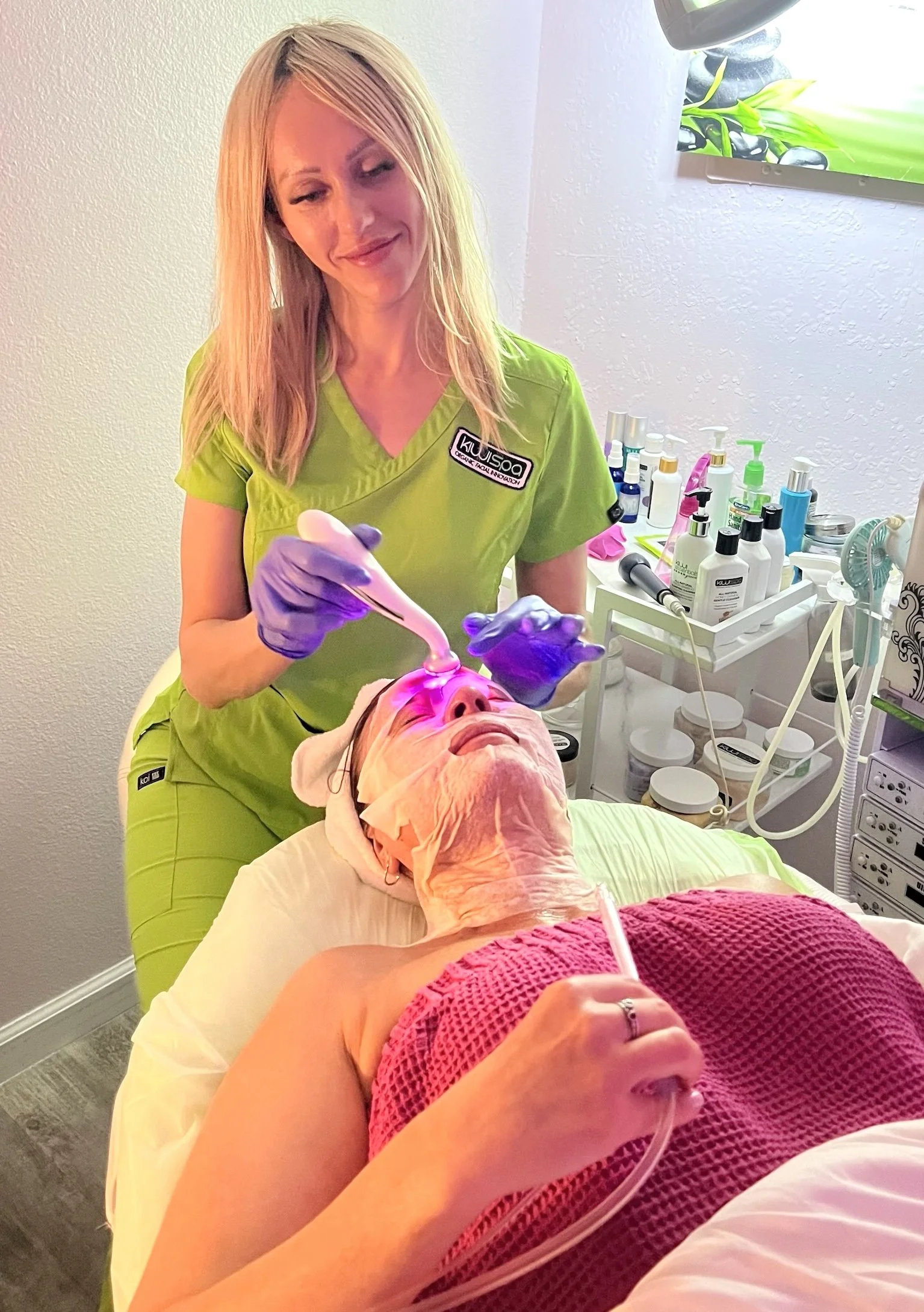
Licensed esthetician infusing deep oxygen hydration into winter skin at Kiwi Spa in Pacific Beach.
The Oxygen Silk Peel Facial at Kiwi Spa
The Oxygen Silk Peel Facial runs 75 minutes: $209 for new clients ($240 regular rate).
This targeted winter rescue facial restores immediate radiance without aggressive chemical peeling or downtime:
Botanical Lipid Cleansing: Dissolves impurities and sunscreen with gentle, fatty acid-rich plant cleansers that protect your skin's natural moisture barrier.
Precision Dermaplaning: Sweeps away dead winter stratum corneum cells and soft facial peach fuzz using a surgical-grade blade, creating a soft, light-reflective surface.
Gentle Brightening Infusion: Natural botanical fruit enzymes brighten dull, weathered surface cells without stinging or barrier damage.
Supersonic JetPeel Oxygen Delivery: Floods freshly exfoliated skin with pressurized oxygen and pure hyaluronic acid, driving deep hydration straight to dehydrated cells.
Barrier-Sealing Nourishment: Locks in moisture using cold-pressed botanical lipids and rich antioxidants to shield your face against chilly coastal winds and indoor heat.
Why Winter Is So Deceptive for San Diego Skin
Winter in Southern California doesn't mean snowstorms, but our coastal climate brings seasonal shifts that quietly drain moisture from the skin:
Dry Coastal Humidity Drops
During late autumn and winter, shifts in prevailing wind patterns push dry, low-humidity air out to the Pacific Beach coast. When atmospheric humidity drops, the surrounding air pulls moisture straight out of your face through transepidermal water loss (TEWL).
Forced Indoor Heat & Car Vents
The moment evening temperatures drop into the 40s and 50s, indoor space heaters and car defrosters turn on. Blowing artificial, dry heat directly onto your face melts away essential surface lipids, leaving your skin feeling tight, papery, and sensitive by midday.
Sluggish Cellular Renewal
Cooler weather naturally slows peripheral blood circulation to facial tissue. With reduced microcirculation, natural cell turnover decelerates. Dead, dry cells remain stuck to the surface for weeks, scattering natural daylight and giving the complexion a dull, gray cast.
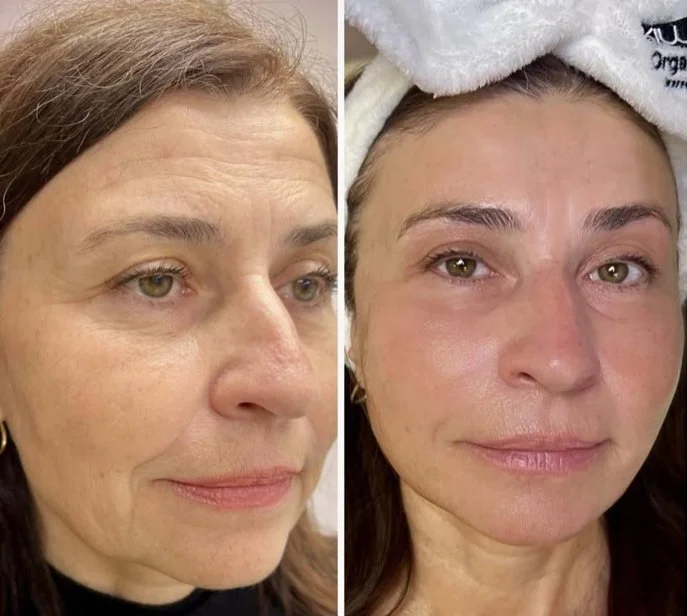
Soothing moisture barrier repair mask during a winter facial at Kiwi Spa.
4 Practical Rules for Keeping Your Winter Glow
1. Ditch Foaming Cleansers for Cream or Oil Bases
If your face feels squeaky clean or tight within two minutes of washing, your cleanser is stripping away the natural lipids your skin needs to hold water. Switch to a gentle oil or cream cleanser that lifts debris while keeping your acid mantle intact.
2. Exfoliate Physically with Blade Precision, Not Coarse Scrubs
Avoid abrasive walnut or apricot face scrubs, which create microscopic tears on wind-sensitized winter skin. Precision dermaplaning or mild fruit enzymes (like papaya and pineapple) dissolve dead cell bonds evenly, allowing your face to reflect light immediately without surface irritation.
3. Layer Hydration: Water First, Lipids Second
Hydration (water) and moisture (oil) are two completely different things. In winter, apply a water-binding humectant like botanical hyaluronic acid or glycerin to damp skin first. Follow immediately with a lipid-rich moisturizer or cold-pressed plant oil (like jojoba or kiwi seed oil) to seal that hydration inside and keep dry air from evaporating it.
4. Don't Put Your Sunscreen Away
Even on overcast or gray coastal mornings, up to 80% of UVA rays penetrate right through the clouds. UVA radiation quietly breaks down collagen and accelerates barrier dryness year-round. Applying broad-spectrum SPF 30+ every morning is essential to keeping your skin youthful and resilient.
Questions People Ask Us
Why is my skin both dry and breaking out in the winter?
This is the classic hallmark of barrier dehydration. When skin lacks water, surface cells harden and trap natural sebum inside the pores instead of shedding cleanly. Applying heavy mineral oil creams on top suffocates the pore further, creating blemishes alongside dry surface patches.
How often should I get a facial during the winter?
Booking every 4 to 5 weeks is ideal. This cadence keeps your natural cell renewal cycle moving through the colder months, removes dull surface accumulation, and infuses deep hydration before the dry air can compromise your barrier.
Will dermaplaning dry my skin out more?
Not at all. Dermaplaning only removes non-living dead cells and peach fuzz from the surface. In fact, removing that rough top layer allows your hydrating serums and nourishing oils to penetrate directly into living tissue where they can actually work.
Ready to Bring Back Your Natural Glow This Winter?
The Oxygen Silk Peel Facial runs 75 minutes: $209 for new clients (regularly $240), at 1919 Grand Ave in Pacific Beach. Open 8am to 9pm, seven days a week.